Instagram Bots to Avoid (and Why They Destroy Growth)
What Are Instagram Bots?
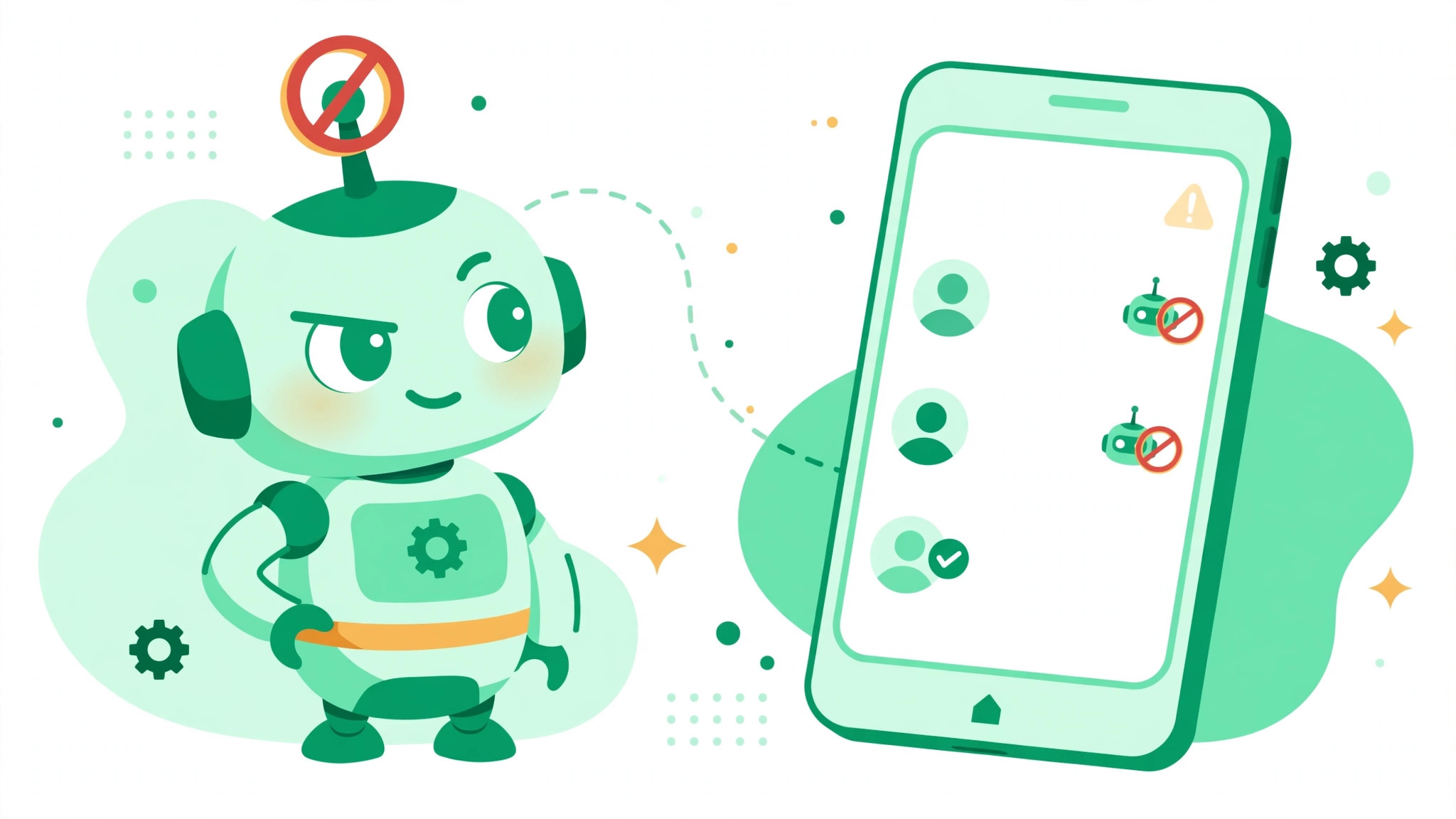
Instagram bots are automated programs that mimic human behavior: following accounts, liking posts, leaving comments, sending DMs, and even posting content — all without a person behind the screen. They promise to save time on repetitive tasks and accelerate growth. In practice, they are one of the fastest ways to damage an Instagram account, because Instagram’s systems are specifically built to detect and punish exactly this behavior.
Instagram’s policies are unambiguous: automation that mimics human interaction is prohibited. Understanding the bot landscape — what the types are, how Instagram catches them, and what the damage looks like — is essential before you are tempted by a shortcut.
The 4 Types of Instagram Bots to Avoid
1. Follower bots (growth bots)
These mass-follow and unfollow accounts based on hashtags, locations, or competitor followers, hoping for follow-backs. The followers they deliver fall into three buckets: fully automated accounts with stolen photos and zero posts; click-farm accounts run by real people paid pennies per action with no interest in you; and ghost accounts — abandoned profiles repurposed to be sold in bulk. None of them will ever engage with your content.
2. Engagement bots (like and comment bots)
These auto-like posts and drop generic comments (“Great post!”, “Nice pic”) at scale. The comments are often irrelevant or even embarrassing — imagine “Love this!” on a post about a difficult topic. Real users spot automation instantly, and it destroys trust.
3. DM bots
Automated direct messages sent to new followers or targeted accounts. They feel spammy, get reported, and reports feed directly into Instagram’s spam detection against your account.
4. Engagement pods (the human botnet)
Groups of real accounts that agree to like and comment on each other’s posts in the first minutes after posting, gaming the early-engagement signal the algorithm uses to decide reach. Humans are behind them, so they are technically not bots — but they create the same false signal: engagement with no genuine interest. Instagram increasingly discounts and penalizes pod activity.
How Instagram Detects Bots
Instagram uses machine learning to spot non-human patterns. The red flags:
- Impossible speed: Following 100 accounts in 10 minutes, or liking every 30 seconds around the clock — no human does this.
- Repetitive patterns: Identical timing, identical generic comments, identical action sequences.
- IP clustering: Thousands of accounts operating from the same servers or VPN ranges. Bot services route through rotating proxies, but the clustering is still detectable.
- Follow-burst patterns: Dozens of accounts following the same target within minutes, with no prior app browsing history — the exact signature of a botnet.
- API abuse: Instagram frequently updates its systems to block unauthorized automation tools.
What Happens When Instagram Catches You
Penalties escalate, and they are all bad:
- Shadowban: Your posts stop appearing in hashtag search, Explore, and sometimes follower feeds — while everything looks normal to you. Reach collapses silently.
- Action blocks: Temporary bans on liking, commenting, following, or DMing, lasting hours to weeks.
- Security lockouts: Instagram may lock the account and demand identity verification.
- Follower purges: When Instagram sweeps fake accounts, bot-delivered followers vanish overnight — accounts routinely lose thousands in a day.
- Permanent suspension: The worst case. The account is closed with no recovery, and years of content are gone.
Real-world damage is well documented: accounts that bought a few thousand bot followers have seen engagement rates crash from 4% to under 0.5%, Story reach drop 70%, and recovery take four months of cleanup and consistent posting. For a deeper look at the follower-buying variant of this trap, read is it safe to buy Instagram followers.
How Bots Destroy Your Engagement Rate
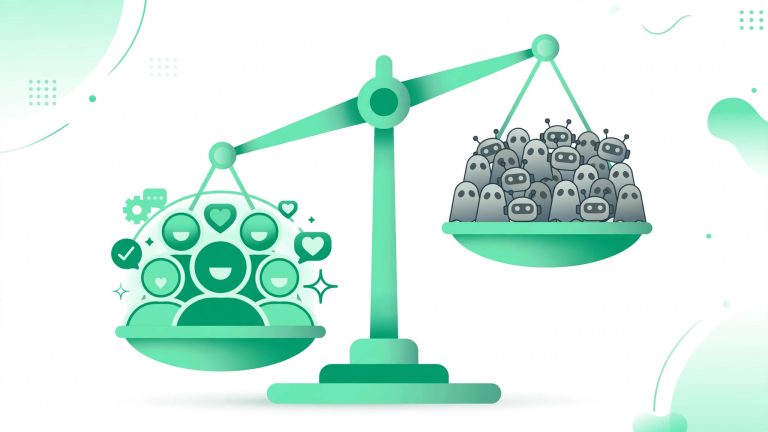
This is the mechanism most people miss. Instagram’s algorithm shows your posts to a sample of your followers first; strong early engagement earns wider distribution. If 9,000 of your 10,000 followers are bots that never open the app, your engagement rate craters — and the algorithm concludes your content is not interesting. Your posts then underperform even with your real followers. A large, silent audience is actively worse than a small, engaged one.
Bots also corrupt your analytics. You cannot tell which content your real audience likes when the data is polluted by automation, so every strategic decision gets worse.
Safe Alternatives That Actually Work
- Legitimate scheduling tools: Meta Business Suite, Later, and Hootsuite post on your behalf through official channels — automation without risk.
- Manual engagement with a system: 15 focused minutes daily engaging with your niche beats any bot, because real comments start real conversations.
- Honest growth tactics: Reels consistency, collabs, SEO-optimized profiles — the full playbook is in our guide on how to get more followers on Instagram.
- Legitimate trials: The free Instagram followers trial gives new accounts honest early momentum with no automation, no password, and no policy violations.
How to Tell If You Are Already Affected
Warning signs: sudden unexplained reach drops, engagement rate far below niche averages, follower count that jumps in bursts, comments that read as generic or irrelevant, and action blocks (“try again later” messages). If you suspect past bot use, stop all automation immediately, remove suspicious followers gradually (not all at once), and rebuild with consistent organic posting.
The Bottom Line
Bots sell the dream of effortless growth and deliver the reality of throttled reach, corrupted data, and accounts at risk. Instagram’s detection gets better every year, and the penalties get steeper. There is no version of bot-driven growth that survives contact with the algorithm long-term. Build the audience the slow way — it is the only way that compounds instead of collapsing.